



In a nation where the NHS backlog has reached a new record high, with one million people in England waiting on multiple treatment lists, the need for prompt and efficient healthcare has never been more evident. The backlog, now at 7.77 million waits, includes around 1 million patients waiting for more than one treatment. This surge in demand has led to deep frustration among patients and healthcare professionals alike, and the waiting list is now almost 3.5 million higher than pre-pandemic levels.
Private Medical Insurance: A Swift Solution
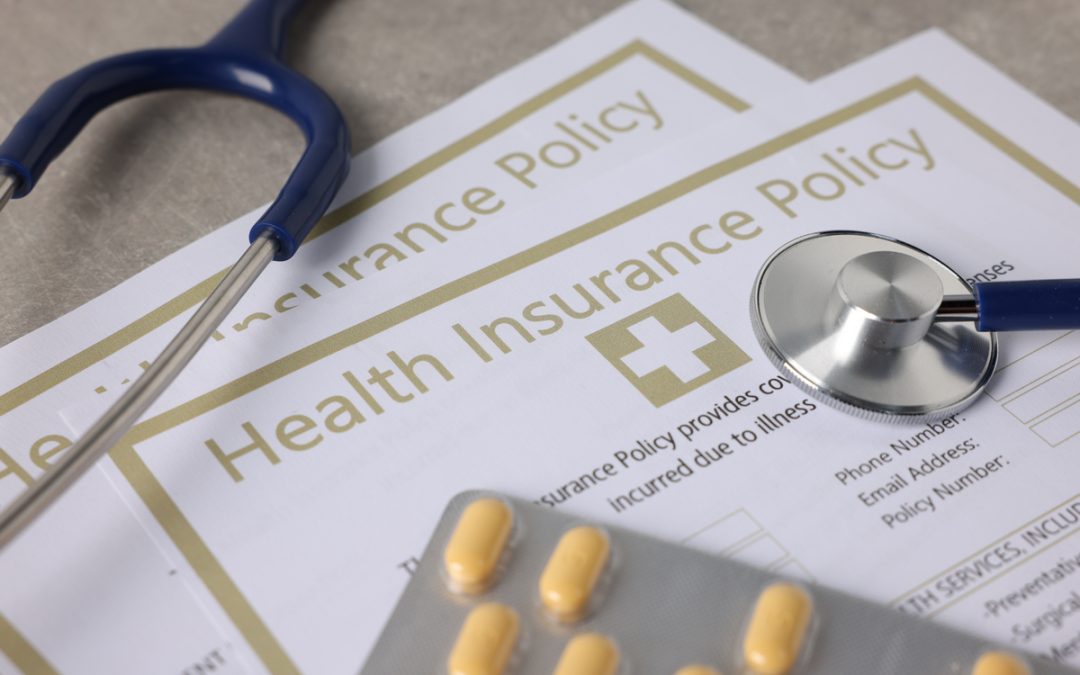
Amid this healthcare crisis, a new trend is emerging: the adoption of Private Medical Insurance (PMI) is on the rise. Recent data analysis from the Financial Conduct Authority (FCA) reveals a significant surge in PMI adoption, with 6.9 million adults now enrolled. This trend, gaining momentum over the past five years, is expected to continue as businesses prioritize the health and well-being of their employees.





The Numbers Speak: PMI on the Upswing
The FCA’s Financial Lives Survey data, analyzed by independent consultancy Broadstone, shows that 13% of UK adults currently possess PMI. Notably, three-quarters (76%) of PMI holders acquire their coverage as part of their employee benefits package, with approximately one-fifth (19%) opting for self-funding. The age groups most actively engaging with PMI are individuals aged between 35-44 and 45-54, with each group boasting a 22% participation rate.
Meeting the Healthcare Challenge
The growing trend in PMI adoption is expected to persist and potentially accelerate. Economic inactivity due to chronic illnesses, exacerbated by challenges faced by the NHS, has led to difficulties in accessing healthcare promptly. The Private Health Information Network (PHIN) reports a substantial upswing in private health admissions in 2022, reaching an all-time high in the first quarter of 2023, totaling 227,000.
Brett Hill, Head of Health and Protection at Broadstone, emphasizes how healthcare discussions are now reaching the board level. CEOs recognize the importance of acting to keep their staff healthy, especially when the public health service can no longer guarantee swift access to care.
Why PMI?
Private medical insurance (PMI) is increasingly seen as a practical and positive part of the solution to the NHS backlog. By giving policyholders faster access to diagnostics, specialist appointments, and elective treatments, PMI helps individuals avoid prolonged waiting times and regain control over their healthcare journey. This quicker access can make a significant difference to quality of life, particularly for conditions where delays can worsen symptoms or prolong pain.
Read our guide Is Private Health Insurance Worth It in the UK
Importantly, wider use of PMI can also help ease pressure on the NHS. When more people choose private pathways for routine or planned care, NHS resources can be redirected towards emergency cases and the most complex patients. While PMI is not a replacement for the NHS, it works effectively alongside it, offering choice and flexibility.
In this way, private medical insurance supports both patients and the wider healthcare system, playing a constructive role in reducing waiting lists and improving overall access to care.
Private Medical Insurance offers a solution to the challenges posed by the NHS backlog. With PMI, individuals can access timely and efficient healthcare, bypassing the extensive waiting lists. As the NHS faces ongoing challenges, PMI becomes an essential tool for individuals and businesses alike, ensuring that health and well-being remain a top priority. Read our guide 7 Essential Factors for Choosing Private Health Insurance
FAQs
How can private medical insurance help with NHS waiting times?
PMI allows patients to access private healthcare services, helping them avoid long NHS waiting lists for consultations, scans, and treatments. This can lead to quicker diagnosis and treatment.
Is private medical insurance replacing the NHS?
No, PMI is designed to complement the NHS rather than replace it. Many people still rely on the NHS for emergency and routine care while using private insurance for faster specialist treatment and elective procedures.
Who benefits most from private medical insurance?
People who want faster access to treatment, reduced waiting times, greater flexibility in choosing specialists, and access to private hospitals may benefit most from PMI. Employers also commonly provide PMI as part of employee benefits packages.
Does private medical insurance cover pre-existing conditions?
Coverage for pre-existing conditions depends on the insurer and policy terms. Some policies may exclude certain conditions, while others may offer limited coverage after a qualifying period.
Why is PMI becoming more popular in the UK?
The increase in NHS backlogs and delays in accessing treatment has encouraged more individuals and businesses to consider PMI as a practical healthcare solution.
Can employers provide private medical insurance for staff?
Yes, many UK employers offer PMI as part of employee benefits packages to support staff well-being, improve productivity, and reduce absence caused by delayed medical treatment.
What treatments are usually covered by PMI?
Most PMI policies cover consultations, diagnostic tests, surgery, specialist treatment, and hospital stays. Coverage levels vary depending on the provider and plan selected.
Is private medical insurance expensive?
The cost of PMI varies based on factors such as age, medical history, level of cover, and location. Many providers offer flexible plans to suit different budgets.
Can PMI reduce pressure on the NHS?
Yes, by allowing more patients to seek treatment privately, PMI may help reduce demand on NHS services and shorten waiting times for those relying on public healthcare.
https://www.insurancebusinessmag.com/uk/news/life-insurance/pmi-holders-in-the-uk-reach-almost-seven-million-464459.aspx
https://www.bbc.co.uk/news/health-67367311